Window quote jargon explained
Double glazing jargon, decoded in plain English — so the terms on your quote stop being sales patter and start being useful.
Window quotes are full of shorthand: U-values, A++, argon, warm-edge, trickle vents. Salespeople lean on it because it sounds impressive and makes it hard to compare like with like. Once you know what the words mean, the mystique falls away and you can judge two quotes on the facts. Here is the double glazing jargon you are most likely to meet, in language that actually helps.
Energy performance terms
- U-value — how much heat escapes through the window. Lower is better; a modern double-glazed unit is typically around 1.2 W/m²K or lower.
- Window Energy Rating (WER) — the familiar A to G scale, now running up to A++. It balances heat lost against solar heat gained, so a higher band means a more efficient window overall.
- Solar gain (g-value) — how much free warmth from sunlight the glass lets in. Useful in cooler, north-facing rooms; less so on a hot south elevation.
Ratings are where quotes most often differ without you noticing, so it is worth having energy ratings explained to hand. According to the Energy Saving Trust, replacing old single glazing with modern energy-efficient double glazing can noticeably reduce heat loss and draughts.
What is inside the glass
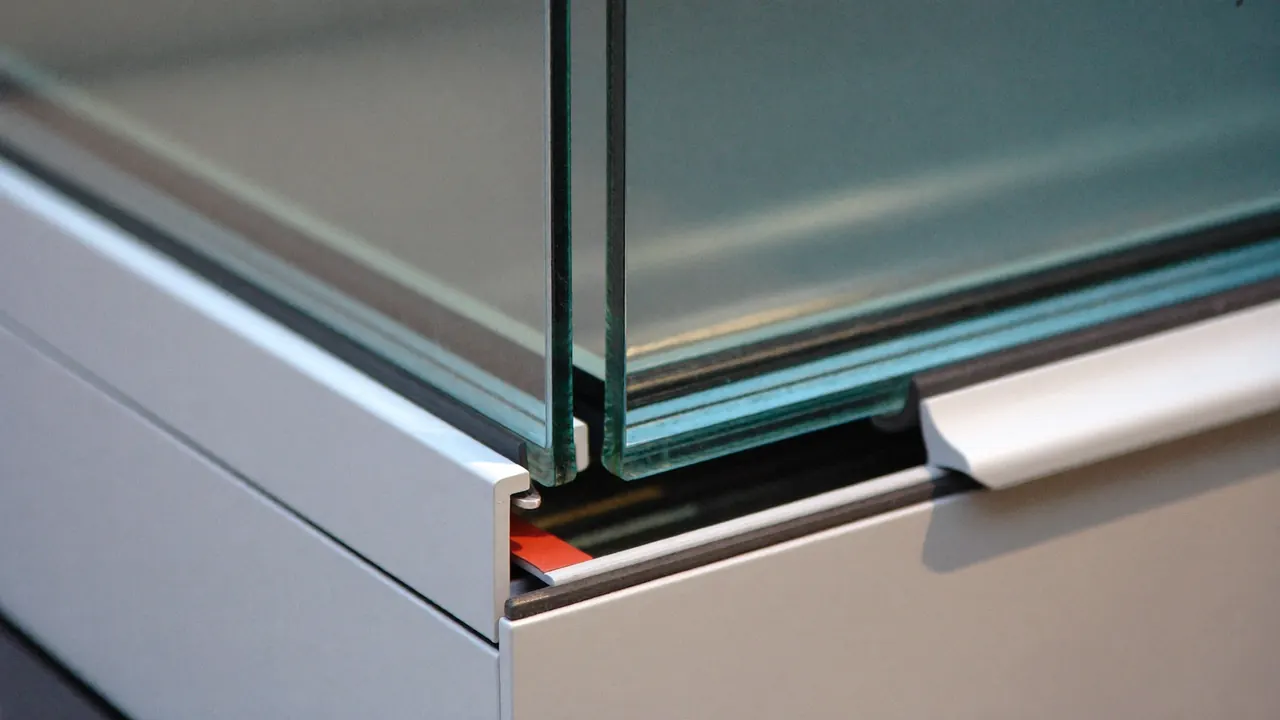
- Sealed unit — the two (or three) panes of glass bonded together with a gap between them. It is the whole insulating sandwich, not just one pane.
- Argon fill — an inert gas in the gap that insulates better than plain air. Standard on most quality units.
- Low-E coating — an invisible metallic layer that reflects heat back into the room while still letting light through.
- Warm-edge spacer — the strip around the edge of the sealed unit. A “warm-edge” version cuts heat loss and condensation at the perimeter.
Get a quote and decode it as you go
Grab a free, no-obligation quote from a vetted local installer and use this page to translate every line as you read it.
Get my free quote →Frames, openings and fittings
- Casement — the common hinged window that opens outwards on the side or top.
- Tilt-and-turn — opens two ways: tilting in at the top for ventilation, or swinging fully inward for cleaning.
- Sash — the traditional vertical-sliding style, popular on period homes.
- Trickle vent — a small controllable slot that lets a little fresh air through; now required on many replacement windows under building regulations.
- Reveal — the inner face of the wall around the opening, which is what “making good” tidies up after fitting.
Paperwork and standards
- FENSA / Certass — the schemes that let installers self-certify that your windows meet building regulations, and issue the certificate you need when you sell.
- Insurance-backed guarantee — a guarantee underwritten by an insurer, so it still stands even if the installer stops trading.
- PAS 24 — the enhanced security standard some windows are tested to, worth asking about for ground-floor rooms.
Handy tip: if a salesperson uses a term you do not recognise, ask them to write it on the quote and explain it. A good installer is happy to; a jargon-merchant will suddenly be vaguer.
From jargon to a decision
Now the words make sense, comparing quotes gets far easier. Take your translated quotes to the hub on how to compare window quotes, run them through the window quote checklist, and if you want a rough idea of the money behind the spec, it helps to understand what windows actually cost.

Put your new fluency to use
Most postcodes have survey appointments available this month. Get a free quote and read it like a pro.
Get my free quote →Free Window Quote is a free quote-matching service, not an installer. All quotes are free and no-obligation.